 Time and outside influences seriously impact our ability to measure impact and outcomes. And there are limits to the degree that measurement helps our understanding overall.
Thinking About Nonprofit Evaluation as Affected by Time




Time and outside influences seriously impact our ability to measure impact and outcomes. And there are limits to the degree that measurement helps our understanding overall.
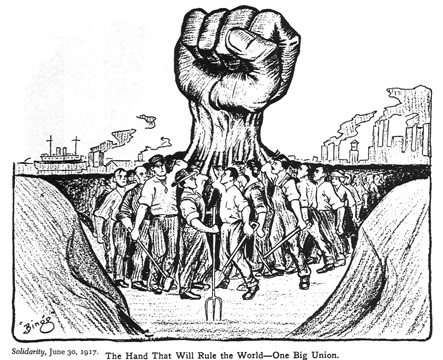
 Ironically, labor unions are nonprofits, too—501(c)(5)s under the IRS Code—but they sometimes clash over how to promote the public welfare.
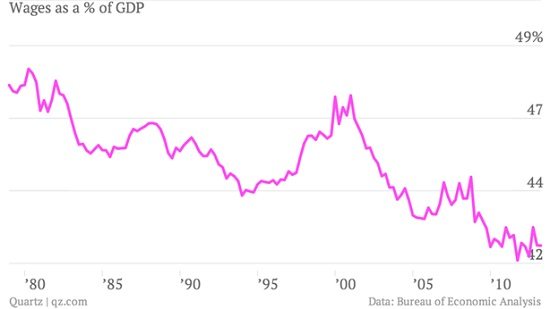
 See how this chart shows that wages, as a percentage of the overall economy, are at an all-time low.
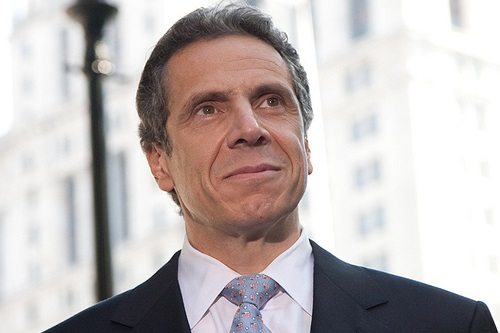
 Fixing the payment and contracting system for nonprofits in New York is a tough haul. Despite the best efforts, the Cuomo Administration’s Grants Reform Initiative is getting started slowly—like the grants payments that nonprofits are expecting.

 Andrea Merrill, a founding board member of Kai’s Village, awaits arraignment on the charge of having allegedly taken $10,000 from the Worcester, Mass. nonprofit.

 The philosophy is simple: Giving cash directly to poor people, no strings attached, is the most efficient form of charity.
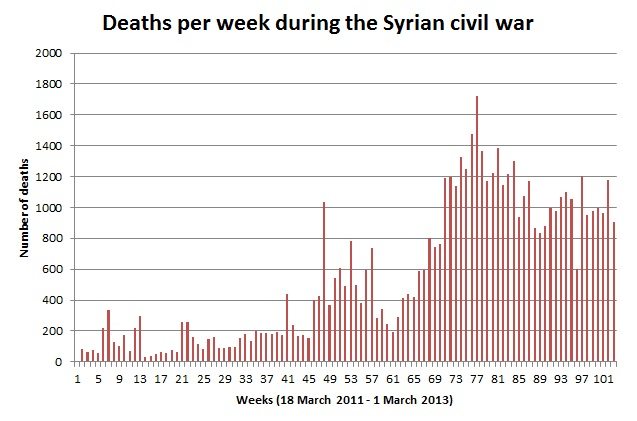
 The Syrian Observatory for Human Rights estimates that more than 110,000 people have died over the past eighteen months of turmoil.

N onprofits of all stripes have to determine whether to speak out for or against the contemplated U.S. military action to punish Syria for the use of chemical weapons against civilians in its ongoing civil war—or simply sit on the sidelines. Here are some of the salient points that nonprofits might consider in their analysis.

 The founder of GuideStar takes an updated look at the ecosystem that informs philanthropy. What needs work?
Did we need to hear Al Sharpton speak one more time? Really? It might have been more than useful to hear activist leaders such as Philip Agnew of the Dream Defenders and Sofia Campos of United We Dream talk about what their organizations representing young people meant to the 50th anniversary of the March on Washington. But Agnew and Campos were bumped from the agenda at the last moment to guarantee room for the bigger name, famous speakers on the dais at the Lincoln Center. Some people aren’t happy about that.
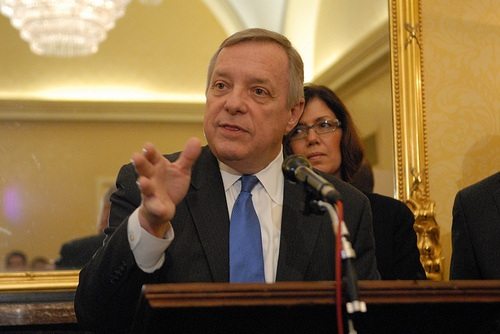
 Whether the American Legislative Exchange Council (ALEC) is really a 501(c)(3) public charity or should be a 501(c)(4) social welfare organization, it is able to keep a lot of information secret about its members and donors. Illinois Sen. Dick Durbin wants to penetrate its shield of confidentiality and find out who’s funding ALEC and what they believe about its favored stand-your-ground laws.
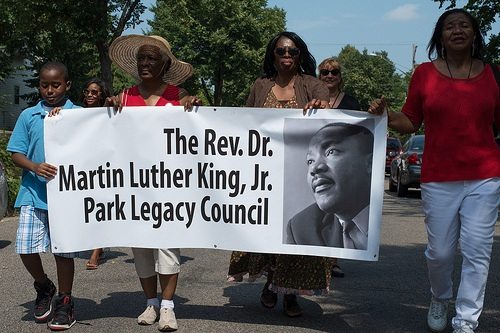
 As a representative of black conservatives, wouldn’t Herman Cain have been a good speaker to add to the agenda of the March on Washington anniversary events? Maybe not, but a dialogue with black conservatives is probably worthwhile, especially if they, like Bob Woodson of the Center for Neighborhood Enterprise, try to shake their fellow conservatives into some sort of awareness of issues of race and poverty.