Albert Hunt at the New York Times asks whether there is “an inherent conflict of interest should Mrs. Clinton become president” or even now as a candidate.
Are Hillary’s Philanthropic and Political Roles Too Close for Public Comfort?



Albert Hunt at the New York Times asks whether there is “an inherent conflict of interest should Mrs. Clinton become president” or even now as a candidate.

Almost 47 percent of respondents said they were “somewhat” or “very” comfortable with social media companies controlling what news appears on their sites, compared with only 34 percent who were “not very comfortable” or “not comfortable.”

The Birmingham Foundation provides capital for real estate projects as a program-related investment, receiving a nine-percent return on the money. It then puts that nine percent back into those same communities to assist youth programs, senior citizens, and other projects.

There is a lot of talk about women as philanthropists and women as beneficiaries of philanthropy. A new charitable initiative is taking a different approach to combine the two and effect global change.
The only thing that likely distinguishes this from many other similar cases of racial bias in jury selection is the existence of some shockingly explicit prosecutorial notes.
The Ralph Nader–inspired Public Interest Research Group, better known as PIRG, has come out against fair labor practices—at least for itself. Not a good look.
Today I am writing to urge you to read our feature article which discusses how nonprofits can manage our increasingly active and activist stakeholder dialogues.

When it comes to choosing a sponsor for nonprofit activity, “he’s mad who trusts in the tameness of a wolf.”
In West Hollywood, the 45-year-old L.A. Pride celebration has been dubbed the “gay Coachella” after a rebranding left many longtime supporters fuming.
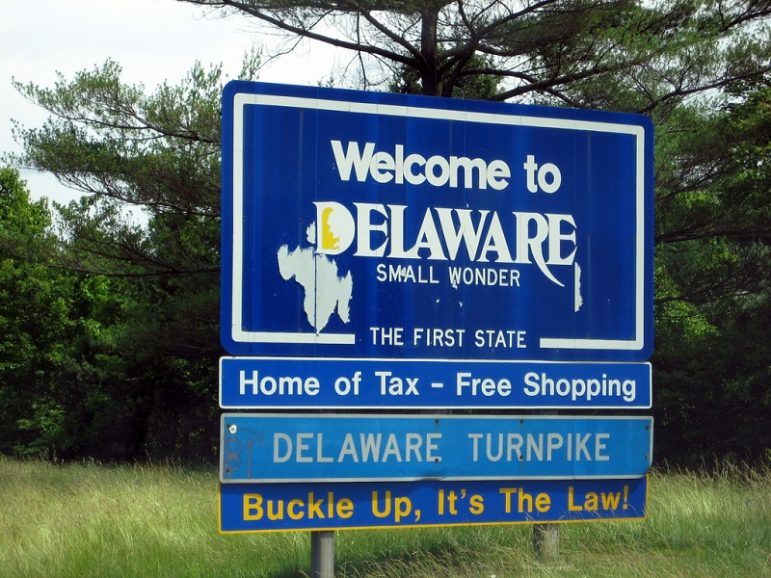
The First State may be good for incorporating public companies, but nonprofits don’t enjoy the same routine tax exemptions as in other states.

Native American and other low-income students were shortchanged by scandal in South Dakota, according to a recently filed class action lawsuit.
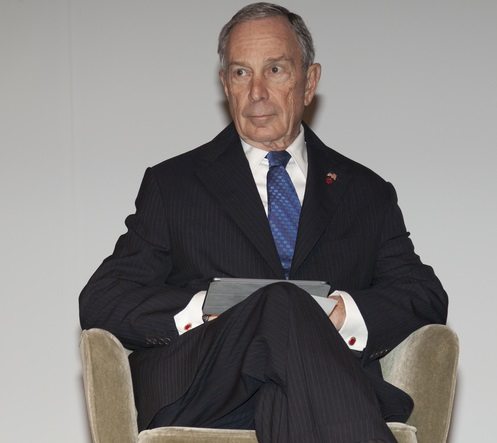
Michael Bloomberg’s charitable giving philosophy may reflect younger donors’ goals and provide a pattern for millennial giving.