


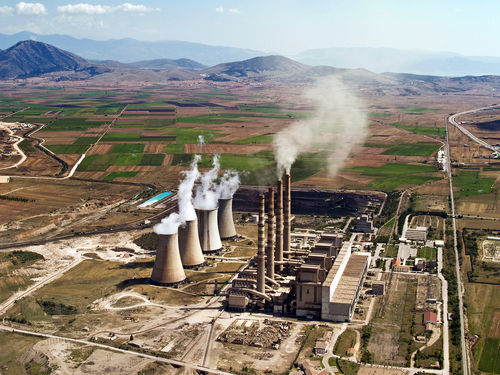
 Despite the activism of students around the nation and the often progressive environmental positions taken by Jewish groups, many mainstream Jewish organizations are steering clear of the fossil fuels divestment campaign for fear that it legitimizes divestment as a tool that might be applied more aggressively to Israel.
Jewish Organizations’ Concerns about Fossil Fuel Divestment

 How should stakeholders and market position be addressed differently in this new operating environment?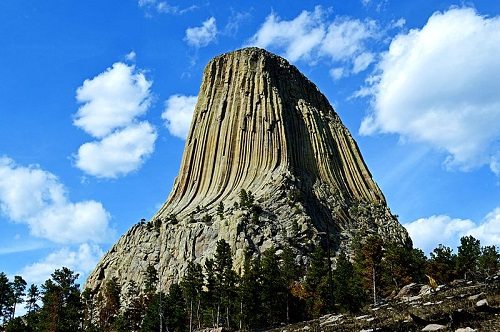
 The Navajo Nation believes that part of San Juan County, Utah should be preserved for all time as a national conservation area or a national monument. They are opposed by Utah politicians such as Senator Orrin Hatch who think that preserving those lands would be federal overreach.
 In a deal between the city and a newly formed nonprofit, Edgar Allan Poe’s house in Baltimore is once again open for the public, despite having looked its demise in the face more than once!
 For parents, and for civil rights overall, the federal government’s release of colleges and universities under investigation for their sexual assault policies is important, but is it also a long-needed step by the Obama administration toward governmental transparency, albeit much too late in the Obama presidency?
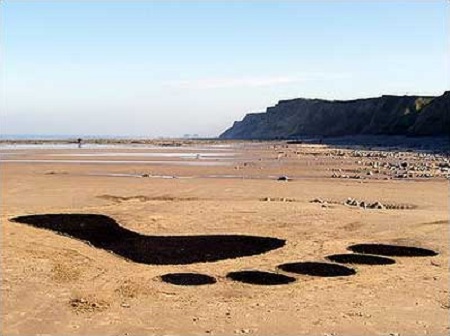 In this article, Buzz Schmidt suggests to Stanford that divesting from negative investments, as they have with fossil fuels, while good, is insufficient. Institutions also need to take up the net positive contribution to society made by their investment strategies.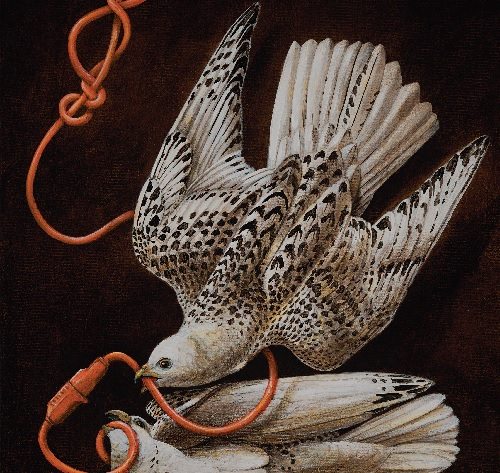
 Here, the author explains that a hybrid media system is replacing the media logics of the past, and uses the U.K. citizens’ movement 38 Degrees to illustrate.

 As Samuel Beckett put it, “Everything will turn out all right—unless something unforeseen crops up.” That’s why fundraisers need to be ready for any contingencies that might arise. Simone Joyaux shares the lenses she uses to peer into the unknown and prepare for whatever’s on the horizon.
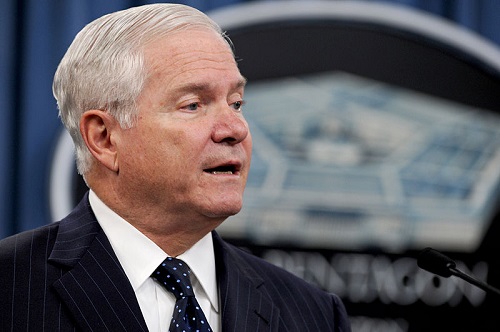 Yesterday, former Secretary of Defense Robert M. Gates was elected to the presidency of the Boy Scouts of America. The choice of Gates, who was approved by the board last October for the position, is significant in that in 2010, he supported the repeal of the “don’t ask, don’t tell” policy in the U.S. military.
 An obscure state regulation prevents a local nonprofit from holding its version of a bake sale. The state legislature took notice and began to look at alternate approaches.