 A new study based on two surveys has found that many people respond more urgently to the term “global warming” than to “climate change.”
Language, Please! People Take “Global Warming” Much More Seriously than “Climate Change”



A new study based on two surveys has found that many people respond more urgently to the term “global warming” than to “climate change.”

 A nonprofit that serves deaf and hard-of-hearing children in New York State had to learn a tough lesson about relying too heavily on contributed income. Three years after flirting with failure, the board and staff have built a sustainable organization, fueled largely by earned income from a new initiative.

 An effort to bring the Jewish National Fund, which controls 13 percent of the land of Israel, under increased governmental oversight and transparency failed in a vote of the Netanyahu cabinet. Despite the failure of the JNF legislation, what lessons are there in the JNF issue for those U.S. nonprofits that operate sometimes as outposts of government due to their extensive government funding?
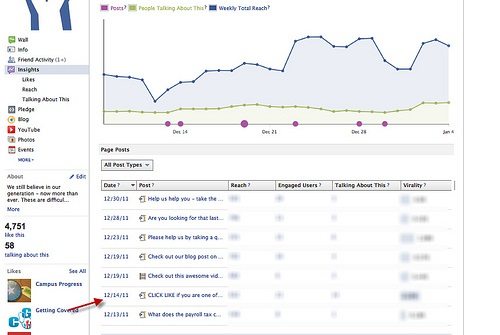
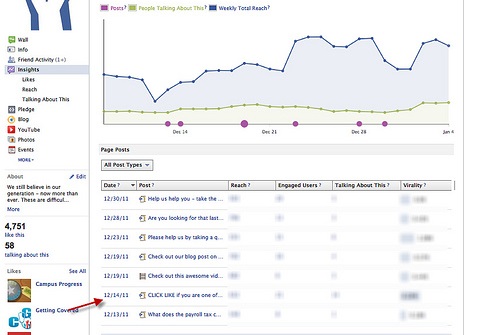 A new tool gives organizations with Facebook pages more data to better understand their audience. Audience Insights analyzes data about your Facebook users to show trends among potential clients or donors.
 There are plenty of known ailments that Iraq and Afghanistan veterans have had to bear as a result of their service in the U.S. military. A new nonprofit, the Sergeant Sullivan Center, has been created to research and treat undiagnosed illnesses.

 One of many public-private partnerships developed to rescue the bankrupt city says it will cost $850 million and take up to five years to remove or rehabilitate almost 85,000 blighted properties.

 The Montreal Gazette has run an article describing the hidden homelessness that exists in suburban Montreal. In Quebec, at least, the major political parties actually discuss how to address homelessness, something that U.S. political parties shy away from.

 What kinds of employees do we really want in the nonprofit sector? With all our talk of a need for “leaderful organizations,” there are fewer discussions of what that really requires, though there is at least a half-century of literature and practice on the subject. And guess what? A good deal of it emerged from the same theoretical base as cybernetics, often mixed with some feminist theory. But shifting away from the dominant paradigm of command and control requires a culture shift for many. Here is one take to help inform.

 What exactly are L3Cs, how are they currently operating, and what potential problems do they pose for the nonprofit sector?

 Will the benefits of an exclusive portal and nonprofit directory be sufficient to persuade Australian nonprofits to sign up for an .ngo domain?

 Despite the activism of students around the nation and the often progressive environmental positions taken by Jewish groups, many mainstream Jewish organizations are steering clear of the fossil fuels divestment campaign for fear that it legitimizes divestment as a tool that might be applied more aggressively to Israel.

 How should stakeholders and market position be addressed differently in this new operating environment?