

 Through Michael Wyland and others, NPQ has been following the sorry story about the Lois Lerner scandal at the IRS, regarding what she did or didn’t do, what she knew and didn’t know, etc., concerning the IRS’s review of 501(c)(4) applications of Tea Party-related groups. In the midst of all of the political posturing and brouhaha from both parties, Congress still isn’t doing what it should be doing: reviewing how the IRS works and coming up with a major plan to reform the agency.
Looking for Signs of the U.S. Antiwar Movement
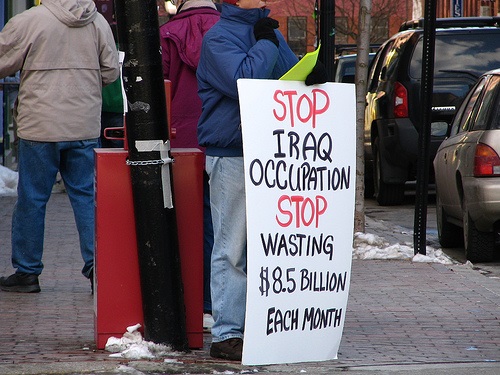 Iraq has become a locus of sectarian strife in the Middle East that demands a response—a decision one way or the other—from the U.S. government that bears responsibility for this broken country. After years of quiescence in response to the Obama administration’s bombing campaign in Libya, surge in Afghanistan, and drone attacks in Pakistan and Yemen, is the nonprofit antiwar movement going to revive around options for U.S. action in rapidly disintegrating Iraq?
The Wealth Gap and the Giving Recovery: Giving USA’s Latest Numbers
 Giving USA’s 2014 report, which covers giving in 2013, shows that the giving recovery is progressing apace, but as with the larger economic recovery, where is all that money going?
41ON41: A Foundation-Paid Infomercial about George H.W. Bush
 There are no doubt lots of reasons to like and admire former president George H.W. Bush, who turned 90 last week. But CNN’s airing of “41ON41,” a program funded by the George Bush Presidential Library Foundation, isn’t a documentary, but a foundation-financed infomercial.
A Pay-What-You-Can Farmers’ Market—How It Works
 At Go-Go Fresco in Charlotte, N.C., which provides a “pop-up” mobile farmers’ market, some people pay more so others can pay less, says Nick Knock, a founder of the market. He describes the effort as an attempt to address the problem of “food deserts.”
Confidential Nonprofit Info Passed by IRS to FBI in 2010
 The IRS scandal investigations continue. Newly released emails document that the IRS sent confidential taxpayer information to the FBI for possible prosecution of 501(c)(4) social welfare nonprofits. Was it a criminal act, or was it another accidental disclosure by the IRS?
Charlotte Set to Lose a Nonprofit Theater with Strong Area Ties
 After a bold move to a new home and securing local and national sources of support as part of the process, a nonprofit theater in Charlotte opts to shut down.
MPs Shocked by Political Campaigning from Oxfam
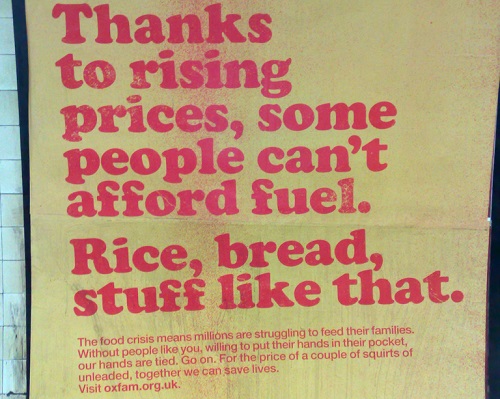 A “perfect storm” of its own making is swirling around international aid charity Oxfam.
One Small City Will Press Homeless Shelter for Payments in Lieu of Taxes
As the city of Brockton, Massachusetts, prepares to press 21 local nonprofits for payments in lieu of taxes, the picture is very different from that in Boston proper, where the larger nonprofits are hospitals and universities and the like.
Nonprofit Campaigning against Public Lands Ranching Sued for Trespassing
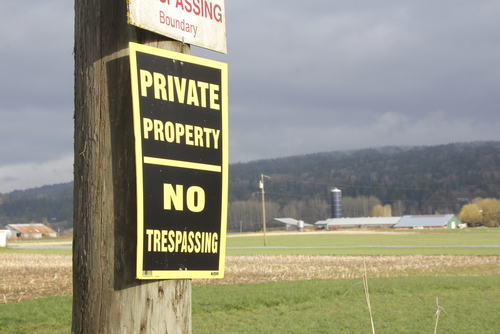 The Western Watersheds Project, a nonprofit conservation group that opposes public lands ranching, is being sued by more than a dozen ranchers and landowners for trespassing on their properties repeatedly over nine years in an effort to collect water samples.
Atomic Veterans Advocate Acie Byrd Dies
 In a world of people who live with self-congratulatory proclamations about their supposed impact on public issues, important examples of people who have really done something with their lives as nonprofit public policy advocates and movement leaders can get lost. “Atomic Veteran” advocate Acie Byrd died last month, and he deserved the attention and recognition that he didn’t seem to get.
First Nations and Corporate CSR: In Need of Shared Assumptions
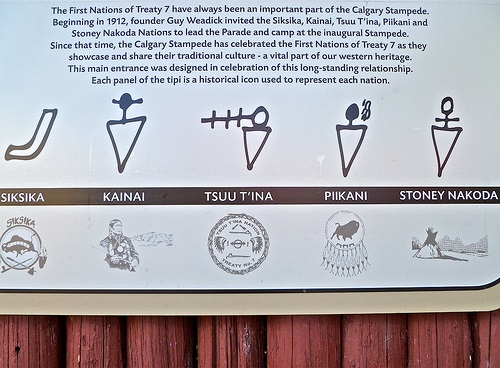 Calgary’s Impact Society helps corporations create working relationships with First Nations based upon new and different fundamental assumptions.