

 The National Climate Assessment report released by the White House earlier this week merits action by more than environmental groups. Climate change is so big and so hard to wrap one’s mind around that it deters groups from acting, but we have some ideas about what all nonprofits can do.
The Climate Change Conundrum

 In the latest legislative blow from Russia against the dissemination of information and non-official viewpoints, websites with greater than 3000 daily hits will have to register with the government as newspapers, denying anonymity and opening them up to spurious legal and governmental reprisals.
 Although Senator Mark Warner suggested that government was pretty incapable of understanding, finding, and funding programs that work, his solution—that the market discipline of private investors was needed—didn’t get borne out in a hearing of the Senate Budget Committee last week. The result was a trenchant critique of social impact bond and pay-for-success financing schemes.
 If it’s Wednesday (or Thursday…or Tuesday, of late) there must be another story about a cultural institution coming to grips with the new realities of doing business with higher costs and lower contributed income. Today, it’s New York’s Metropolitan Opera, which on Monday opened contract talks with the American Guild of Musical Artists, seeking concessions in both pay and benefits in order to balance the books.
 What does brewing beer have to do with benefit corporations? This guy rips the lid off!
 It is, of course, very common for donors to give stock in lieu of cash, but this guy donated his entire business to be run as a social enterprise by two of his favorite charities.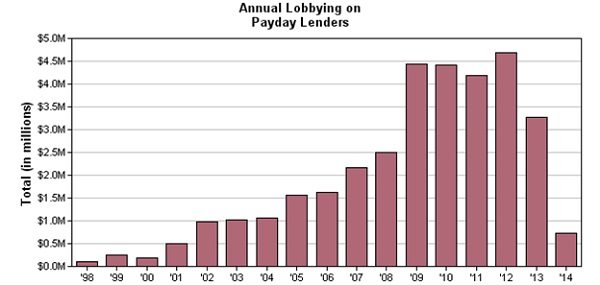
 The failure of legislation in Louisiana to regulate payday loans reflects just how hard it is for nonprofits to face off against the well-financed payday-lending industry, whose generosity in campaign contributions can sway the perspectives of state legislators. The answer may be in the strategy supported by the Consumer Federation of America: Get the Consumer Financial Protection Board to enact federal regulations that would cover all of the states.
 Six former employees are suing a wildcat sanctuary for unfairly terminating them after they blew the whistle on financial impropriety. This is a case to watch.
 VOICES FROM THE FIELD
 The first social impact bond project in the world—the Peterborough prison project in the UK—is being restructured, supplanted by the British government planning to implement major prison reforms addressing recidivism across the nation. Perhaps the message is that policy change doing what works is preferable to individual SIB investment projects.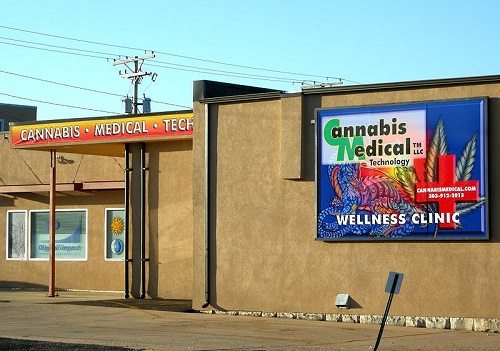
 A bill in the legislature would model the marijuana co-ops after nonprofit credit unions, but the plan depends on the unlikely approval of the U.S. Federal Reserve Bank.