 What is the real “impact” of social impact bonds? A point/counterpoint.
Social Impact Bonds: Healthy Dialogue on a Young Sector



What is the real “impact” of social impact bonds? A point/counterpoint.
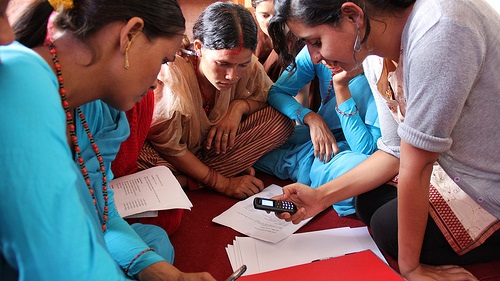 A new start-up accelerator in San Francisco will focus solely on nonprofit-based technology enterprises.
 It’s great to see self-styled “social enterprises” assisting veterans in creating businesses, but don’t forget that nonprofits have been at that game for many years, and some, particularly IVMF at Syracuse University, do it really well.
 The CEO of the newly expanded but not yet open Picasso Museum in Paris has been dismissed—not for her management of the reopening, but for creating “profound suffering in the workplace.”
 Physicians for Human Rights has released an interactive map showing the systematic attacks against Syria’s healthcare system in opposition-held areas over the past three years, which have resulted in the death of more than 460 health professionals and widespread destruction to hospitals and clinics.
It has been 60 years since the U.S. Supreme Court issued its landmark decision in Brown v. Board of Education that “separate but equal” was actually “separate and unequal.” For many nonprofits in the education reform space, Brown may be a piece of education law that has been largely discarded as irrelevant or troublesome.
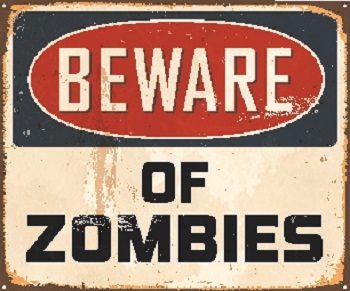
 The Pentagon has been preparing for the possibility of a zombie invasion. Who would have ever thunk it?

 As universities and foundations all over the country are faced with challenges to their fossil fuel investments, it’s worth standing back to think about what such campaigns actually accomplish when they work.

 Southern Californians were familiar with Donald Sterling’s full-page ads touting his generosity toward local nonprofits, but the numbers say he was not nearly as generous as he claimed.

 Even in social enterprise, the successes of some important ventures, such as the clean energy programs of Off Grid Electric in Tanzania and Mera Gao Power in India, are due not just to the profit motivations and social missions of investors, but the subsidies and guarantees provided by government and philanthropy.
Research in Science Daily finds that anger can motivate people to volunteer as much as sympathy.

 The Detroit Institute of Arts has asked a federal bankruptcy judge to block creditors from physically removing thousands of works from the museum’s walls to determine their value in the city’s Chapter 9 bankruptcy. The Institute opposes the move as a threat to the delicate works. Is it a precursor to divesting the collection, piece by piece?