


 Kanye West just declared himself a “creative genius,” which he is. He also has a charitable arm in Chicago, which is admirable. He also gave a private performance for the dictator of Kazakhstan, which isn’t admirable.
Kanye West: Rock Star, Philanthropist, Performer for a Dictator

 I have worked among nonprofits for some time, and have watched this dynamic occur over and over.
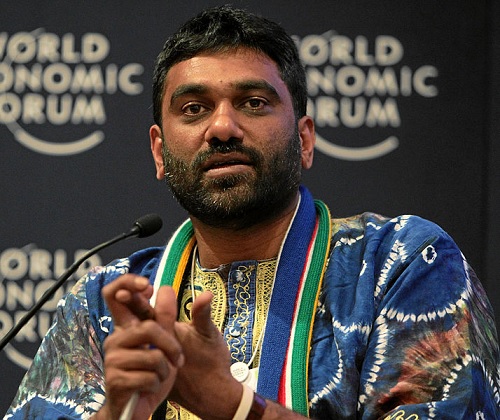 In an open letter to the Guardian, Kumi Naidoo, international executive director of Greenpeace, has told President Putin that he is prepared to “move [his] life to Russia” and serve as a human bail bond for those who had been arrested and charged with piracy.
 In 2012, Massachusetts became the eighteenth state to legalize medical marijuana, but health centers are struggling to prescribe for patients in fear that they could lose their federal funding.
 You might not go quite as far as Manuela Hoelterhoff’s recommendation that they “should be pilloried,” but you do have to wonder about the board of the New York City Opera.
 Bloomberg News says that the expansion of Medicaid will increase the healthcare treatment burdens of federally subsidized health centers. In reality, the poor get second-class healthcare anyhow. The nation’s separate-and-unequal structure of healthcare must be ended.
 The partial government shutdown is going to have long-term effects on nonprofits responsible for delivering on the promise of the nation’s social safety net. Uncertainties and shortfalls today will show up long into the future as the shutdown adds to the sequester to undermine resources needed to help the poor.
 The number of cities across the country adopting anti-panhandling ordinances is increasing, not decreasing, despite court decisions overturning those statutes as unconstitutional infringements on freedom of speech.
 In another example of the nonprofit sector stepping up to fill the gaps left by the government shutdown, the Fisher House Foundation has offered to make sure that fallen service members’ families receive their death benefits.
 Measured in deaths and injuries, the suffering of the civilian population of Afghanistan has been huge. The U.S. military pays compensation at times. With more than a decade of conflict in Afghanistan, the role of charitable funding for civilian compensation is unclear.
 Nonprofit navigators working to enroll uninsured persons for healthcare insurance on the federal and state exchanges face opposition from state governments and Congressional committees. Now they face their biggest challenge—fending off misinformation being spread by Fox News.
 Edward Wasserman of the UC Berkeley School of Journalism apparently believes that those studying the field are seeing new nonprofit journalism sites through rose-colored glasses. Nonprofit-based journalism has been a stable and productive part of the media landscape for generations, but the siren song of nonprofit status was really heard after many sites headed over the advertising precipice that marked the beginning of the recession for publishers.