

 NPQ has been chronicling the struggles of too many arts organizations which were affected by the recession in a very particular way. Here is what the pattern we have seen looks looks like.
A Common Picture: Two Philadelphia Arts Organizations Struggle with Debt Come Due


 In its zeal to replace big government by creating a new Big Society, David Cameron’s Conservative coalition government took steps to wrest the provision of public services away from the public sector.
 The lucrative six-figure speaking fees being paid to Hillary Clinton for speeches at universities have attracted much criticism—too high, too much money being paid to a presidential candidate. Our concern is different: The speaking fees being paid to Clinton (which she says she turns over to the Clinton Foundation) constitute the “repurposing” of donations and tax payments to colleges and universities for the Clinton family’s own philanthropic agenda and might in some cases be purchases of recognition and face time with an expectation of future favors should Hillary Rodham Clinton become the second President Clinton.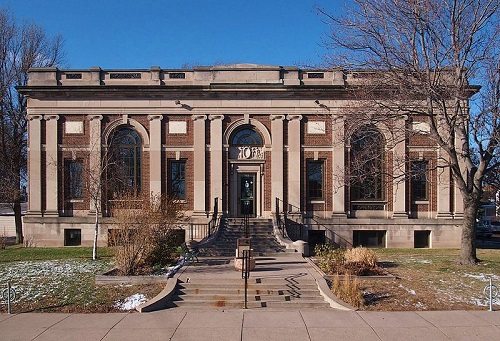
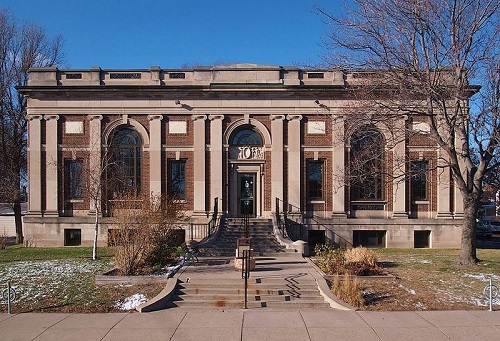 When a former Carnegie library moved its collection to a larger facility earlier this year, two professors—one a labor historian, one a theater artist—saw just the opening they had been looking for to encourage local residents to share and celebrate the popular history of their neighborhood through a new nonprofit, the East Side Freedom Library.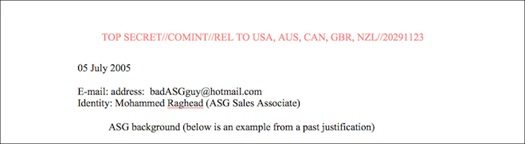
 More Edward Snowden/Glenn Greenwald revelations: The U.S. government monitored the email accounts of five Muslim-American activists in apparent violation of FISA standards for email surveillance.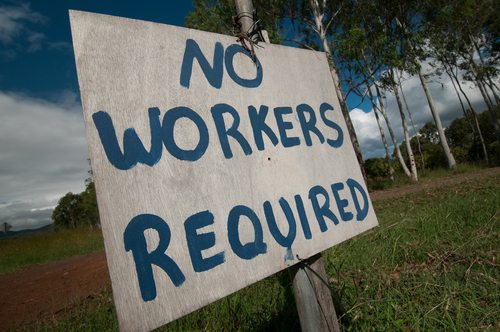
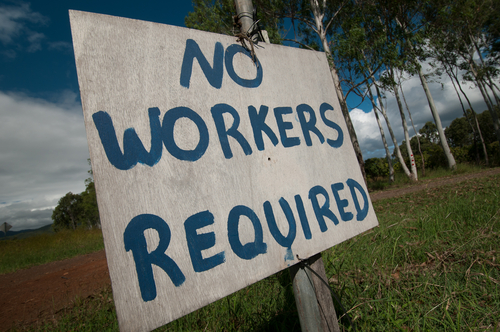 According to NAMI, employment rates for people with serious mental illness are on the decline, with 17.8 percent of people receiving public mental health services employed in 2012 as compared to 23 percent in 2003. But, they say, there is an opportunity to turn that around!
 The Detroit Department of Water and Sewerage is taking tepidly positive steps on the water crisis, such as notifying commercial and industrial customers that they might be delinquent too and ginning up a $1 million fund to help lower-income residential customers. Those are steps that wouldn’t have happened had it not been for the advocacy of Rep. John Conyers and a handful of grassroots nonprofits, but there’s so much more to be done—and we’re waiting for mainstream nonprofits and foundations to announce what they’re going to do to intervene in this human rights crisis.
 When is a multimillion dollar grant not needed? When it locks you into a way of doing things that is either unsustainable or simply not ideal.
 The City by the Bay is ground zero for rampant gentrification and skyrocketing living costs, continuing to put pressure on local nonprofits and their employees to survive.
 In a recent conversation with Philanthropy News Digest, the Spencer Foundation’s Michael McPherson elaborated on his view of the underlying importance of research in the field of education and the need for more communication among funders about what is and isn’t working.
 A truly sad congressional hearing gave the platform to four VA staff people who had been whistleblowers about abuses in VA hospitals—and then bullied, harassed, and defamed as a result of their revelations. The whistleblowers are heroes and heroines in our democratic system, as are nonprofits like POGO and the IAVA that stand up to protect them from a system of vicious retaliation.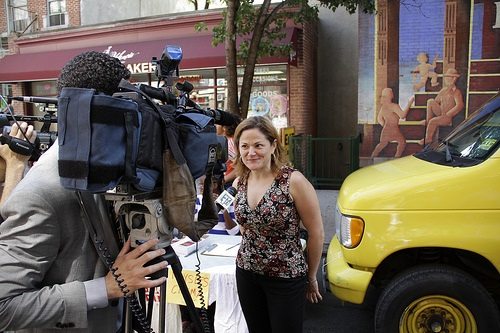
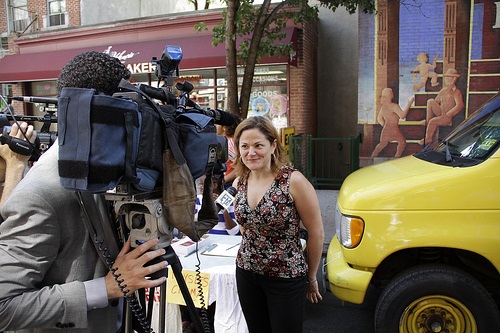 The much-criticized practice of discretionary political grantmaking by New York City political leaders is unfortunately alive and well, though dressed in new clothing and sold with a new spin. The latest example involves a long-respected Latino organization, the Hispanic Federation, earning some criticism of its reputation in the process.