 The popular Internet browser Firefox, brought to you by the nonprofit Mozilla Foundation, is about to nix a large category of online ads for its users by blocking third-party cookies.
Cookie Monster: Firefox to Gobble up Third-Party Ads




The popular Internet browser Firefox, brought to you by the nonprofit Mozilla Foundation, is about to nix a large category of online ads for its users by blocking third-party cookies.

 Imagine Canada has named Brian Emmett the nation’s first-ever chief economist for the charitable and nonprofit sector. What a great idea!

 Born from the campaign infrastructure of President Barack Obama’s reelection, Organizing for Action supports background checks but stays mum on assault weapons ban.
 The Supreme Court has refused to consider a case challenging the century-old ban on corporate contributions to political candidates, though they didn’t explain their reasoning.

 Structural, operational and cultural barriers can derail the adoption of technological engagement tools, so nonprofits looking to foster engagement must focus on strategy prior to technology.

 A conference that consisted almost entirely of male speakers that had been planned in the U.K. is cancelled after a conference organizer delivers an offensive remark.
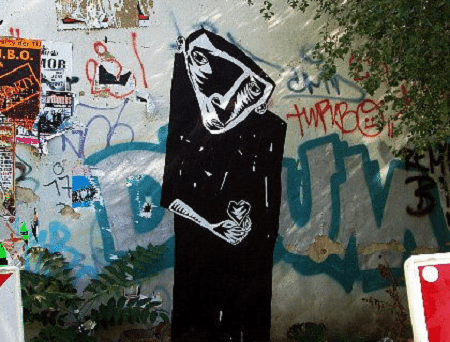
 Franz Kafka would have had difficulty designing a political and bureaucratic stalemate as deft as the Republicans’ rejection of any activity to help the Affordable Care Act meet its goals.

 Now that the New York Times Co. has decided to sell the Boston Globe, speculation has begun as to who might wish to buy it. How about a nonprofit?

 In one of the worst end results from celebrity charity we’ve seen, a headline in USA TODAY reads, “Andy Roddick sues cancer charity for unpaid appearance fee.”

 Social enterprise is attracting people who can point to achievements in a variety of fields, but we must realize that our “merits” in one field may not necessarily help in others.
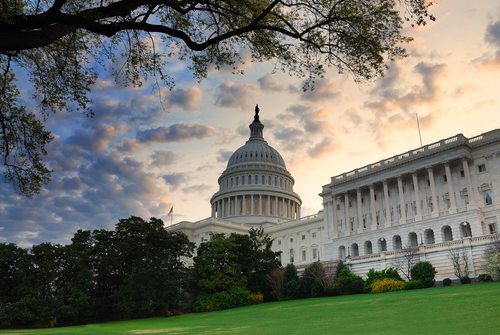
 “When somebody asked me about the sequester, I said it’s stupid, stupid, stupid,” said Erskine Bowles. Yet many in Congress don’t seem particularly concerned about their fiduciary duties.

 Massive open online course (MOOC) provider Coursera recently signed an additional 29 universities, but in the midst of its expansion, it has also hit some stumbling blocks.